
Oral Aversion Therapy for Babies & Children
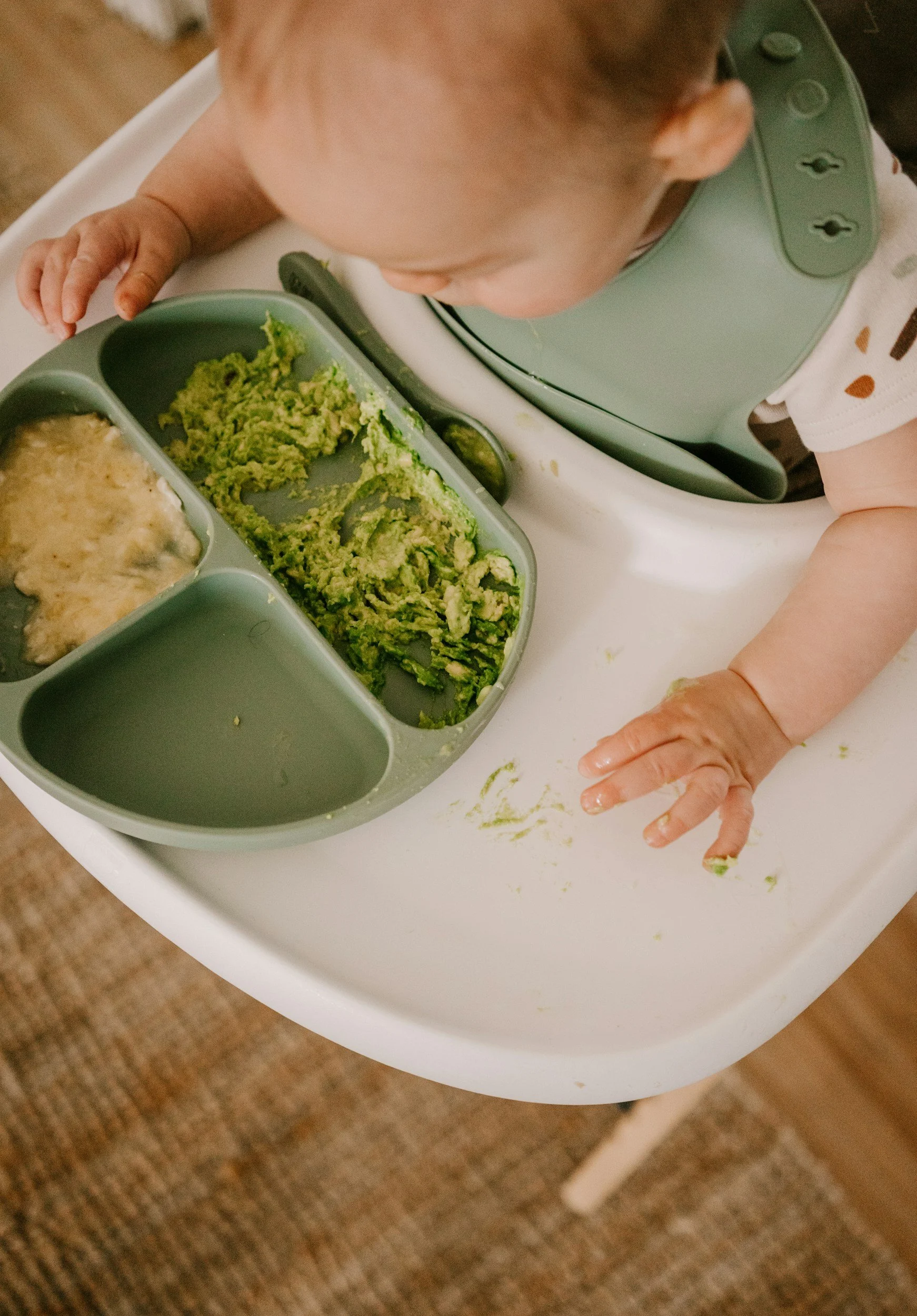
Is your baby or child refusing food or avoiding anything near their mouth?
If mealtimes have become stressful because your baby cries when food is offered, turns away from the spoon, gags before food reaches their mouth or refuses to let anything touch their lips, they may be experiencing an oral aversion.
An oral aversion is more than simply being a "fussy eater." It is when eating, drinking or anything around the mouth has become associated with discomfort, fear or distress. For many families, this can feel confusing and overwhelming, particularly when they are trying everything they can think of without success.
As a specialist paediatric feeding therapist, I help babies and children overcome oral aversion using gentle, responsive and evidence-informed feeding therapy. Together, we'll work to understand why your child is finding eating difficult and create a personalised plan to help them feel safe, confident and comfortable with food again.
Whether your child's oral aversion developed following prematurity, tube feeding, reflux, allergies, medical treatment or difficult early feeding experiences, support is available.
You don't have to navigate this alone.
Who I help
I support babies and children experiencing oral aversion, including those who:
Refuse solids or have stopped progressing with weaning.
Become upset when food, spoons or bottles are offered.
Turn their head away or tightly close their mouth during meals.
Gag or vomit before or shortly after food enters their mouth.
Have a history of prematurity or prolonged neonatal care.
Are currently NG tube fed or have previously been tube fed.
Have experienced reflux, food allergies or painful feeding.
Have become increasingly anxious around mealtimes.
Why families choose to work with me
Many of the families who contact me have already sought support, but they're still feeling unsure about what to do next.
Common reasons parents choose private feeding therapy include:
They need support sooner than NHS services are able to provide.
They want clear, personalised guidance that is specific to their child, rather than general advice.
They feel overwhelmed by conflicting information and want a specialist to guide them step by step.
They want intensive support to help their child make progress with eating and drinking.
They value having time to ask questions and understand why their child is finding feeding difficult.
My aim is to help you understand what's happening, identify the factors contributing to your child's feeding difficulties and give you practical, achievable strategies that you can confidently use at home.

What is oral aversion?
Oral aversion is when a baby or child has developed a strong reluctance or fear of anything approaching or entering their mouth. This can include food, drinks, spoons, bottles, dummies, toothbrushes or even another person's fingers.
Unlike typical fussy eating, an oral aversion isn't simply about disliking certain foods. For many children, eating has become associated with discomfort, pain, anxiety or overwhelming sensory experiences. As a result, they may do everything they can to avoid situations involving their mouth.
Every child is different. Some babies refuse to open their mouth when food is offered, while others may cry, gag, turn away, clamp their lips together or become distressed as soon as they see the spoon. Older children may avoid new foods completely or become anxious at mealtimes.
An oral aversion often develops for a reason. It can be linked to difficult early feeding experiences, prematurity, tube feeding, reflux, food allergies, repeated medical procedures or other experiences that have made feeding feel uncomfortable or unsafe.
The good news is that, with the right assessment and individualised support, many children can gradually develop a more positive relationship with eating.
Signs your baby or child may have an oral aversion
Every child with an oral aversion is different. Some babies refuse food from the very beginning, while others develop feeding difficulties after a period of eating well.
Your baby or child may have an oral aversion if they:
Turn their head away when food, a spoon or bottle is offered.
Keep their mouth tightly closed during meals.
Become upset or distressed when feeding begins.
Cry as soon as they are placed in a highchair or feeding position.
Gag before food even reaches their mouth.
Vomit or retch when food is offered.
Refuse to touch or explore food with their hands.
Accept only a very limited range of foods or textures.
Push food away or throw it from the tray.
Become anxious or upset during family mealtimes.
Seem comfortable with milk but refuse solids.
Refuse a bottle or breast despite appearing hungry.
Pull away when their face or mouth is touched.
Resist toothbrushing or anything else near their mouth.
For some children, these behaviours happen at every meal. For others, they may only occur with certain foods, textures or feeding situations.
As a parent, it can be difficult to know whether these behaviours are part of typical development or whether your child needs specialist support. If feeding has become consistently stressful, or your child is struggling to progress despite your best efforts, it's worth seeking an assessment.

Is it oral aversion or typical fussy eating?
Many young children go through a phase of becoming more selective with food. This is a normal part of development and doesn't necessarily mean they have an oral aversion.
Children with an oral aversion often show a much stronger emotional response to feeding. Rather than simply refusing certain foods, they may appear frightened, distressed or overwhelmed by eating. Some children become upset before the meal has even started because they have learned to associate feeding with discomfort or anxiety.
An assessment can help identify whether your child's feeding difficulties are part of typical development or whether there are underlying medical, sensory, motor or behavioural factors that need to be addressed.
What causes oral aversion?
There is rarely a single cause of oral aversion. Instead, it often develops because eating or experiences around the mouth have become uncomfortable, frightening or overwhelming for a child.
Every child is different, which is why a thorough assessment is so important. Understanding why your child has developed an oral aversion helps us decide the most appropriate treatment approach.
Some of the most common contributing factors include:
Prematurity and prolonged neonatal care
Babies born prematurely often experience many necessary medical interventions during the first weeks or months of life. While these treatments are essential, repeated procedures around the face and mouth can sometimes make oral experiences feel stressful rather than enjoyable.
Combined with delayed opportunities to develop feeding skills, this can contribute to an oral aversion.
Tube feeding (NG tube or gastrostomy)
Some babies and children who have been tube fed develop an oral aversion because they have had fewer opportunities to explore feeding naturally or have experienced repeated medical procedures involving their mouth and nose.
This does not happen to every tube-fed child, but it is something I commonly assess and support as part of feeding therapy.
Pain during feeding
If eating has been painful, it's understandable that a child may begin to avoid it.
Conditions such as gastro-oesophageal reflux, food allergies, swallowing difficulties or other medical problems can make feeding uncomfortable. Over time, a child may start to associate food with pain and become reluctant to eat, even after the original problem has improved.
Difficult early feeding experiences
Some children have experienced choking episodes, repeated gagging, vomiting or distress during feeding.
These experiences can make eating feel unpredictable or frightening, leading a child to avoid foods or mealtimes altogether.
Sensory differences
Some children are particularly sensitive to different textures, temperatures, smells or tastes.
They may find certain foods overwhelming and respond by refusing them or becoming distressed. For these children, feeding therapy focuses on helping them gradually feel more comfortable and confident exploring food at their own pace.
More than one factor is often involved
For many children, oral aversion develops because several factors have come together rather than there being one single cause.
For example, a premature baby may have experienced reflux, tube feeding and prolonged hospital admissions before beginning solids. Another child may have developed an oral aversion after repeated painful feeding experiences caused by an underlying medical condition.
This is why every assessment begins by understanding your child's unique feeding journey rather than assuming all children need the same approach.

How I assess oral aversion
No two children with oral aversion are the same. That's why I don't believe in a one-size-fits-all approach.
My assessment is designed to build a complete picture of your child's feeding journey so that we can understand not only what is happening, but why it is happening.
Most assessments take place in your own home, though in some cases I can assess oral aversion using video footage sent by parents. Watching your child at home often provides valuable information that can't always be seen during a clinic appointment.
During the assessment, we'll talk through your child's feeding history, including:
Pregnancy, birth and early feeding experiences.
Medical history, including prematurity, reflux, allergies or hospital admissions.
Current eating and drinking patterns.
Foods and textures your child accepts and avoids.
Mealtime routines and family concerns.
Previous assessments or treatments.
I'll also observe your child's eating and drinking, looking at how they interact with food, their oral motor skills, sensory responses and the strategies they currently use during mealtimes.
Rather than focusing only on the foods your child refuses, I'm looking for the factors that may be contributing to their feeding difficulties. This helps us develop a treatment plan that is tailored to your child's individual needs.
At the end of the assessment, we'll discuss my clinical findings together. I'll explain what's contributing to your child's oral aversion in clear, straightforward language and answer any questions you have.
You'll also receive a detailed written report with practical, individualised recommendations, so you'll leave with a clear understanding of the next steps.

What does feeding therapy involve?
The aim of feeding therapy isn't to force a child to eat or to "fix" mealtimes overnight.
Instead, we work together to help your child develop a more positive relationship with eating by understanding what's making feeding difficult and introducing strategies that are appropriate for their individual needs.
Depending on your child's assessment, therapy may focus on:
Building positive experiences around food and mealtimes.
Increasing your child's confidence exploring food.
Supporting oral sensory development.
Developing chewing and drinking skills where appropriate.
Helping your child gradually accept a wider range of foods or textures.
Reducing anxiety and distress around eating.
Giving parents practical strategies they can use confidently at home.
Every therapy plan is individual. Some children need support with oral motor skills, others with sensory processing, and many benefit from helping parents understand how to respond to feeding challenges in a way that supports progress.
My goal is not simply to increase the number of foods your child eats, but to help make mealtimes feel calmer, more enjoyable and less stressful for the whole family.
What progress can I expect?
One of the questions parents ask me most often is, "Will my child ever enjoy eating?"
While every child is different, many children with oral aversion make meaningful progress with the right support.
How quickly this happens depends on several factors, including:
The underlying cause of the oral aversion.
Your child's medical history.
Their stage of development.
Whether there are any underlying swallowing, oral motor or sensory difficulties.
How long feeding has been challenging.
The opportunities to practise strategies between appointments.
My role is to identify the factors affecting your child's feeding and help you move forward with a realistic, achievable plan.
Progress doesn't usually happen overnight. Instead, we aim for small, meaningful changes that build your child's confidence over time. These early steps often create the foundations for longer-term success.
Throughout therapy, we'll regularly review your child's progress and adapt our approach as their needs change.

Frequently Asked Questions
-
No. While both can involve food refusal, children with an oral aversion often experience significant anxiety or distress around eating. They may refuse anything approaching their mouth, become upset before meals begin or avoid oral experiences altogether.
-
Yes. Many children make excellent progress when the underlying causes are understood and therapy is tailored to their individual needs. Every child's journey is different, so the amount of support required will vary.
-
Yes. Some babies and children develop an oral aversion following NG tube feeding or other medical interventions around the mouth or nose. However, not every tube-fed child develops an oral aversion.
-
There isn't a set number of sessions because every child is different.
Some families benefit from one detailed assessment and personalised recommendations, while others value ongoing support as their child develops new skills. Together, we'll decide what level of support is most appropriate for your family.
Why choose Emma Fitzgerald?
Feeding difficulties can feel overwhelming, especially when you've tried everything you can think of and you're still not seeing progress.
As a specialist paediatric feeding therapist, I combine years of NHS experience with dedicated expertise in paediatric feeding disorders. I understand that every child's feeding journey is unique, and I take time to understand the whole picture before making recommendations.
Families often tell me they value having clear explanations, practical strategies and the confidence that comes from understanding why their child is finding feeding difficult.
Whether you're at the beginning of your feeding journey or have been searching for answers for months, my aim is to provide compassionate, evidence-informed support that helps you move forward with confidence.

If you're worried that your baby or child has an oral aversion, you don't have to work through it alone.
Get in touch to discuss your concerns, talk about your child's feeding journey and decide whether specialist feeding therapy is the right next step for your family.
Get in touch and let's explore how I can help your child develop a more positive relationship with eating.
Ready to take the next step?